You may already know that the herpes virus can result in cold sores on your tongue, but do you know that this virus can also affect your tongue? Herpes on the tongue appears in the form of red or gray blisters on the tip of the tongue. These blisters can be quite irritating.
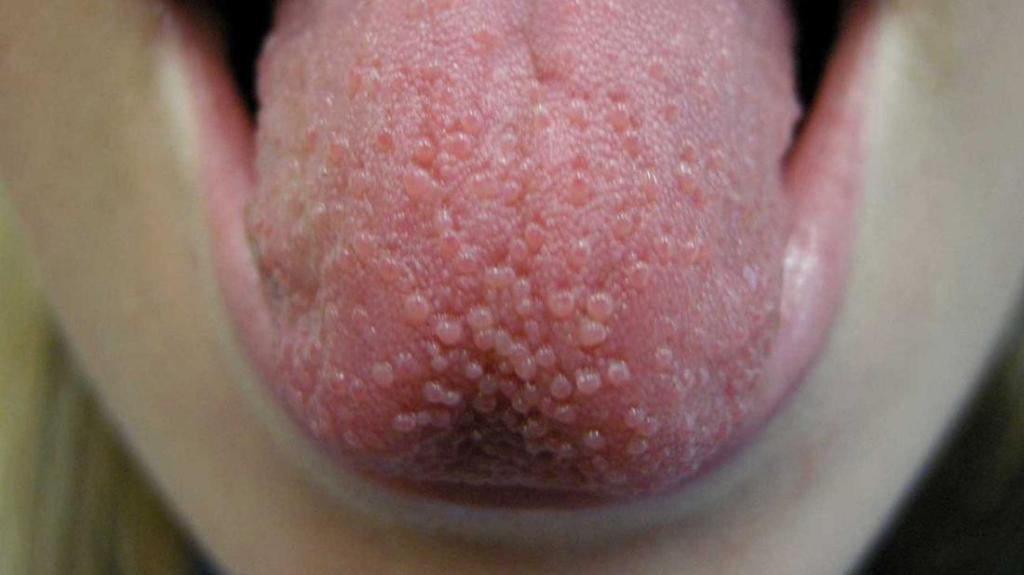
Reasons for herpes on the tongue
Herpes that appears in the mouth is usually caused by the herpes simplex 1 virus, and it can appear on the tongue, lips, gums, cheeks, and roof of the mouth. It might also affect certain other areas, including your throat, chin, neck, and the inside of your nose.
This highly contagious virus can spread to other areas of the body and other people as soon as it comes in contact. In many cases, adults unknowingly transmit this virus to children by kissing. About 80% of American adults have this virus, and they do not know about it.

The stages of oral herpes
According to a report by the Ending AIDS, there are three stages of oral herpes infection.
- Primary infection: The primary infection occurs when your skin or mucous membrane comes in contact with other surfaces. It starts reproducing as soon as it is transferred. The symptoms caused by herpes include fever, gum pain, and muscle pain. Before the appearance of the sore, you may experience burning, tingling, or itching at the site of infection.
- Latency: This stage involves the spreading of the virus from the site of infection to nervous tissues in your spine. Then the virus reproduces again and becomes inactive, waiting for the triggers.
- Recurrence: Virus infection due to herpes recurs due to certain triggers, which may be related to physical or emotional stress. These triggers result in the reactivation of the virus.
Preventing oral herpes
There is no known cure available for herpes, so your best bet is to prevent this virus to protect your body from the impact of the virus. Johns Hopkins Medicine suggests people avoid getting in contact with each other when the virus is active. Known carriers for this virus are the saliva, mucous membrane, and skin. Even if you are not showing any symptoms of herpes infection, you may still be a carrier, which is why this virus infects so many people.
Care and treatment of oral herpes infection
Herpes on the tongue is not a cause of significant concern, but you may want to get treatment for sores because they are generally quite uncomfortable. If the infection is so severe that you have a hard time eating your foods, you may want to remain hydrated well the entire time. You may be able to find some relief through a topical anesthetic, such as lidocaine. It is, however, necessary to discuss with your doctor before you decide to take any medication for relief.
It can be hard to tell if the sores in your mouth are a result of herpes infection, so you will want to discuss with your physician. Your physician may run some medical exams to determine whether or not you carry this virus.
 Mouth Health Blog